Root Canal Therapy in Hocking, North Beach, Two Rocks & Mullaloo: Save Your Tooth and End the Pain
Few things in dentistry cause as much unnecessary anxiety as the words "root canal." The truth? Root canal therapy is the treatment that stops the pain — not the treatment that causes it. By the time a root canal is recommended, the tooth is already in serious trouble, and the treatment itself is typically no more uncomfortable than having a filling placed.
If you're in Hocking, North Beach, Two Rocks or Mullaloo and you've been experiencing severe toothache, prolonged sensitivity, or swelling around a tooth, here is everything you need to know — and why acting quickly is so important.
What Is Root Canal Therapy?
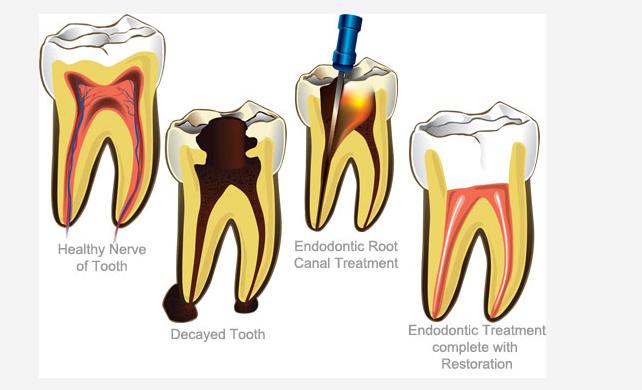
Root canal therapy — also known as endodontic treatment — is a dental procedure used to treat infection or inflammation deep inside a tooth. Every tooth contains a soft tissue called the pulp, which sits inside the root canals at the centre of the tooth. The pulp contains nerves, blood vessels and connective tissue.
When bacteria reach the pulp — usually through deep decay, a crack, or trauma — the pulp becomes infected or inflamed. Left untreated, the infection spreads into the bone around the tooth root, forming an abscess. Root canal therapy removes the infected pulp, cleans and disinfects the canals, seals them permanently, and saves the tooth from extraction.
Signs You May Need Root Canal Therapy
Not all cases of pulp infection cause obvious symptoms — some are identified on routine X-rays before pain develops. However, common warning signs include:
Severe, persistent toothache — especially pain that throbs or radiates to the jaw, ear, or temple
Prolonged sensitivity to hot or cold that lingers after the stimulus is removed
Pain when biting or chewing
Darkening or discolouration of the tooth
A pimple-like bump on the gum near the tooth (a dental fistula — a drainage point for an abscess)
Swelling or tenderness in the gums surrounding the tooth
A tooth that was previously treated but is now causing pain again
If you are experiencing any of these symptoms, do not wait. A dental abscess is a serious infection. It will not resolve on its own, and delaying treatment risks the infection spreading and the tooth becoming unrestorable — meaning extraction becomes the only option.
Root Canal Therapy vs. Tooth Extraction — Why Saving the Tooth Matters
Some patients wonder whether it is simpler and cheaper to just remove the painful tooth. In the short term, extraction is often less expensive. But in the long term, losing a tooth has significant consequences:
Adjacent teeth begin to drift into the gap, affecting your bite and alignment
The jawbone beneath the gap begins to resorb (shrink) due to lack of stimulation
Chewing ability is reduced, affecting diet and nutrition
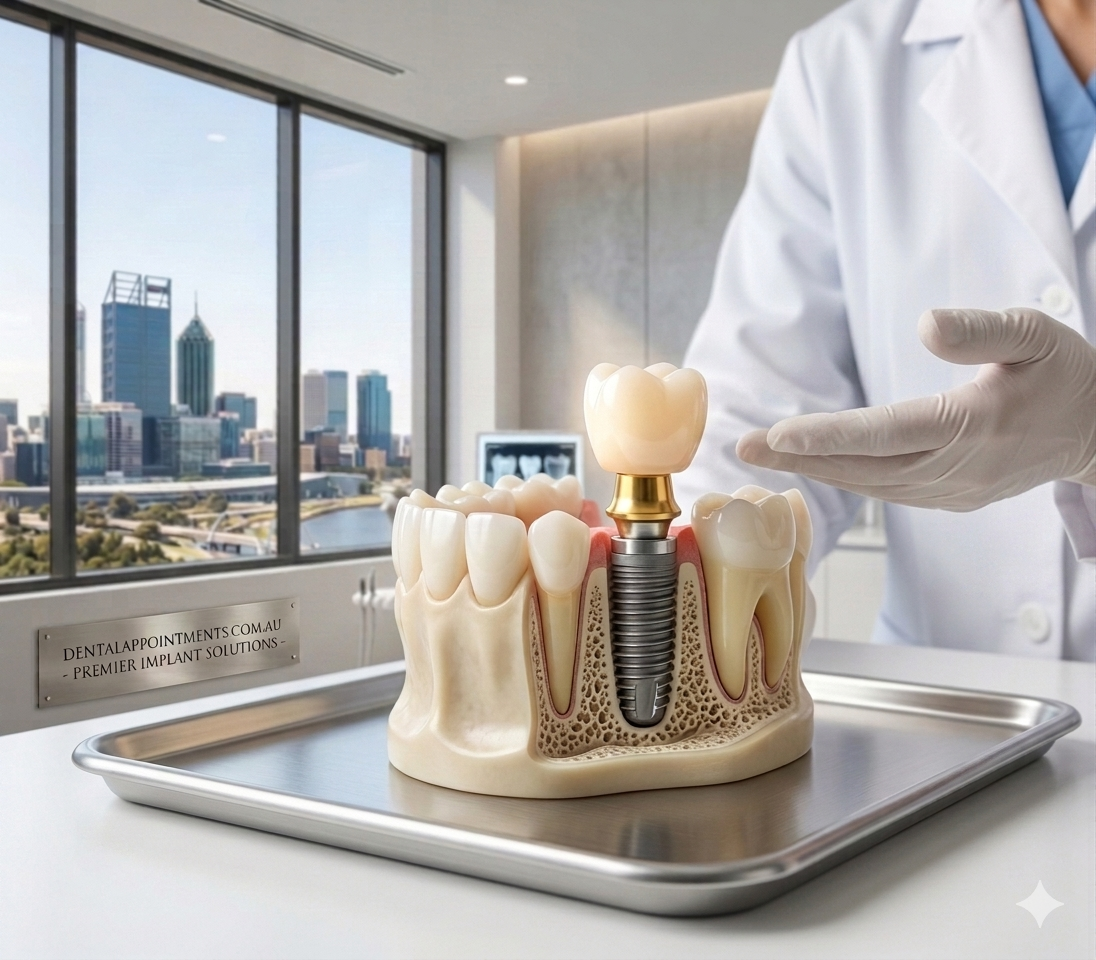
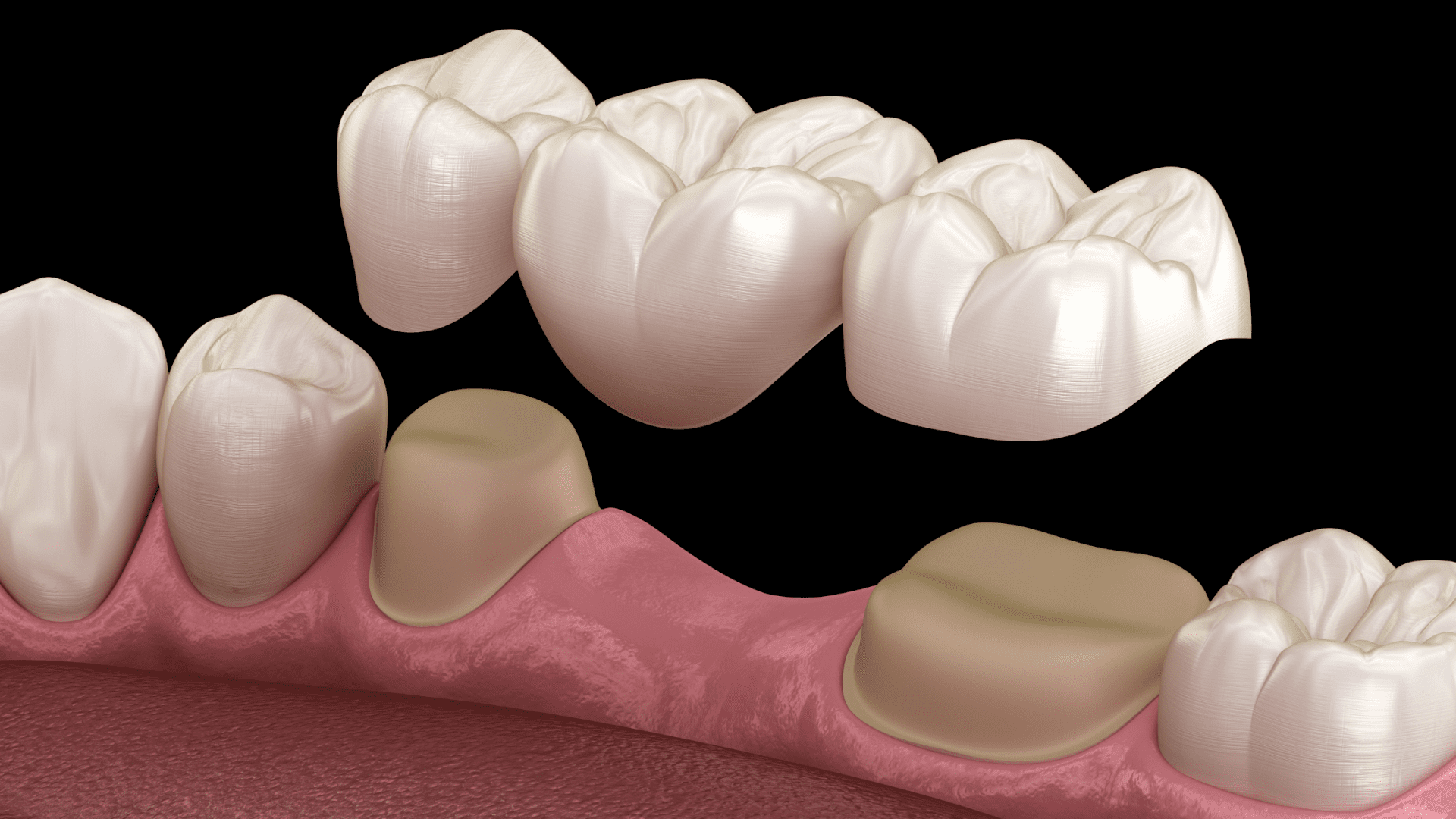
Replacing the missing tooth with an implant or bridge adds considerable future cost
Preserving your natural tooth with root canal therapy almost always produces the best long-term outcome for your oral health, your bite, and your overall wellbeing. Your natural tooth is always the best tooth.
The Root Canal Therapy Procedure: What to Expect
Step 1 — Assessment and Diagnosis
Your dentist examines the tooth clinically and takes X-rays to assess the extent of infection, the shape and number of root canals, and the condition of the surrounding bone. A treatment plan and itemised quote are discussed before proceeding.
Step 2 — Local Anaesthetic
The area is thoroughly numbed with local anaesthetic. Contrary to what many patients expect, once the anaesthetic is working, root canal treatment is no more painful than a routine filling. Most patients are genuinely surprised by how comfortable the procedure is. If you have significant anxiety, sedation options can be discussed with our team.
Step 3 — Isolation
A small rubber dam (a thin sheet) is placed around the tooth to keep it clean and dry during treatment. This also prevents any irrigation solutions or instruments from being accidentally swallowed.
Step 4 — Pulp Removal and Canal Cleaning
A small opening is made in the top of the tooth to access the pulp chamber. Using precision instruments and rotary files, the infected pulp tissue is carefully removed from each root canal. The canals are then shaped and enlarged to ensure thorough cleaning.
Step 5 — Disinfection
The canals are flushed with antimicrobial irrigation solutions to kill any remaining bacteria and thoroughly disinfect the entire root canal system. This step is critical to the long-term success of the treatment.
Step 6 — Canal Filling and Sealing
Once the canals are clean and dry, they are filled with a biocompatible rubber-like material called gutta-percha and sealed with dental cement. This seals the canals permanently, preventing re-infection.
Step 7 — Crown Placement
A tooth that has undergone root canal therapy is more brittle than a living tooth and is at significant risk of fracturing without protection. In most cases, a dental crown is placed over the tooth after root canal treatment to restore full strength and function. This is typically done at a separate appointment once the treated tooth has settled.
How Many Appointments Does Root Canal Therapy Take?
Most root canals are completed in one to two appointments, depending on the complexity of the case:
Single-visit root canal: Many straightforward cases can be completed in one longer appointment (typically 60 to 90 minutes)
Two-visit root canal: More complex cases, severely infected teeth, or teeth with unusual canal anatomy may require a second appointment, with an antimicrobial dressing placed in the canals between visits
The crown fitting is typically a separate appointment scheduled 1 to 2 weeks after the root canal is completed.
How Much Does Root Canal Therapy Cost in Perth's Northern Suburbs?
Costs vary based on which tooth is being treated (front teeth have fewer canals than molars), the complexity of the canal anatomy, and whether a crown is needed afterwards. As a general guide for the Hocking, North Beach, Two Rocks and Mullaloo area:
Front tooth (1 canal): $800 to $1,200
Premolar (1 to 2 canals): $900 to $1,400
Molar (3 to 4 canals): $1,200 to $2,000
Crown after root canal (recommended in most cases): $1,500 to $2,800
These are indicative ranges only. A fully itemised quote will be provided at your appointment. We accept most major health funds and offer flexible payment plan options.
Does Health Insurance Cover Root Canal Therapy?
Yes — root canal therapy is covered under Major Dental (Extras) health insurance policies, subject to your annual limits and any waiting periods. The level of cover varies between funds. Our team can provide a claim-ready itemised quote using ADA item numbers to help you understand and maximise your rebate.
Root Canal Therapy Myths — Busted
Myth: Root canals are extremely painful
This is the most persistent myth in dentistry. Root canal treatment is performed under local anaesthetic. Most patients report that the procedure feels similar to having a filling. Any soreness afterwards typically resolves within a few days with over-the-counter pain relief.
Myth: It's better to just pull the tooth
Extraction may seem simpler, but replacing a missing tooth with an implant or bridge is considerably more expensive and time-consuming than saving the original tooth. Your natural tooth almost always functions better than any replacement.
Myth: A root canal kills the tooth
Root canal therapy removes the infected pulp from inside the tooth, but the tooth itself remains — held in the jaw by the periodontal ligament and supported by the surrounding bone. The tooth continues to function normally for many years.
Myth: Root canals cause illness
This claim originates from debunked research from the early 20th century. Decades of modern scientific evidence have consistently found no credible link between root canal treatment and systemic illness. Root canal therapy is safe, effective, and endorsed by dental and medical authorities worldwide.
Frequently Asked Questions
How long does a root canal last?
A root canal treated tooth, properly restored with a crown, can last a lifetime with good oral hygiene and regular dental check-ups. Success rates for root canal therapy in healthy patients consistently exceed 90 to 95 percent.
What should I do if I think I have a dental abscess right now?
Contact our clinic as soon as possible and explain your symptoms — we prioritise patients with signs of acute infection. Do not apply heat to the area, as this can worsen swelling. Over-the-counter pain relief can help manage discomfort while you wait for your appointment. If you experience significant facial swelling, difficulty swallowing or breathing, or a fever, seek emergency medical attention immediately, as these may indicate the infection has spread beyond the tooth.
Will the treated tooth look different?
Once a crown is placed over a root canal treated tooth, it looks completely natural and indistinguishable from your other teeth. Without a crown, the tooth may gradually darken over time — another reason why crown placement is strongly recommended after treatment.
Can root canal treatment fail?
Root canal therapy has a high success rate, but treatment can occasionally fail if canals are missed due to unusual anatomy, if the seal breaks down over time, or if new decay develops around the crown. In these cases, retreatment (a second root canal) or referral to a specialist endodontist may be recommended.
Act Now — Don't Let an Infected Tooth Become an Emergency
A dental infection will not get better on its own. Every day of delay risks the infection spreading, the tooth becoming unrestorable, and what could have been a straightforward root canal becoming a dental emergency.
Our team at DentalAppointments.com.au serves patients across Hocking, North Beach, Two Rocks and Mullaloo. If you are in pain or have concerns about a tooth, book your appointment today. We will assess your situation, give you honest advice, and get you out of pain as quickly as possible.
Book online at www.dentalappointments.com.au or call your nearest clinic today.
Tags