Dental Crowns & Bridges in Hocking, North Beach, Two Rocks & Mullaloo: Protect Damaged Teeth and Replace Missing Ones
Two of the most impactful treatments in restorative dentistry — crowns and bridges — solve two of the most common dental problems our patients across Hocking, North Beach, Two Rocks and Mullaloo face: a tooth that is too damaged to be repaired with a filling, and a gap where a tooth used to be.
Both solutions are custom-made, durable, and tooth-coloured. Both are permanently fixed in the mouth and cared for just like natural teeth. And when placed at the right time, both can save you from more invasive and costly treatment down the track. Here is everything you need to know.
What Is a Dental Crown?
A dental crown — also called a dental cap — is a custom-made cover that fits over an entire tooth from the gum line up, encasing it completely. It restores the tooth's original shape, size, strength, and appearance, allowing it to function normally and protecting it from further damage.
Crowns are typically made from tooth-coloured porcelain, ceramic, or zirconia, so they blend naturally with your surrounding teeth. Once permanently cemented, a crown is treated exactly like a natural tooth.
What Is a Dental Bridge?
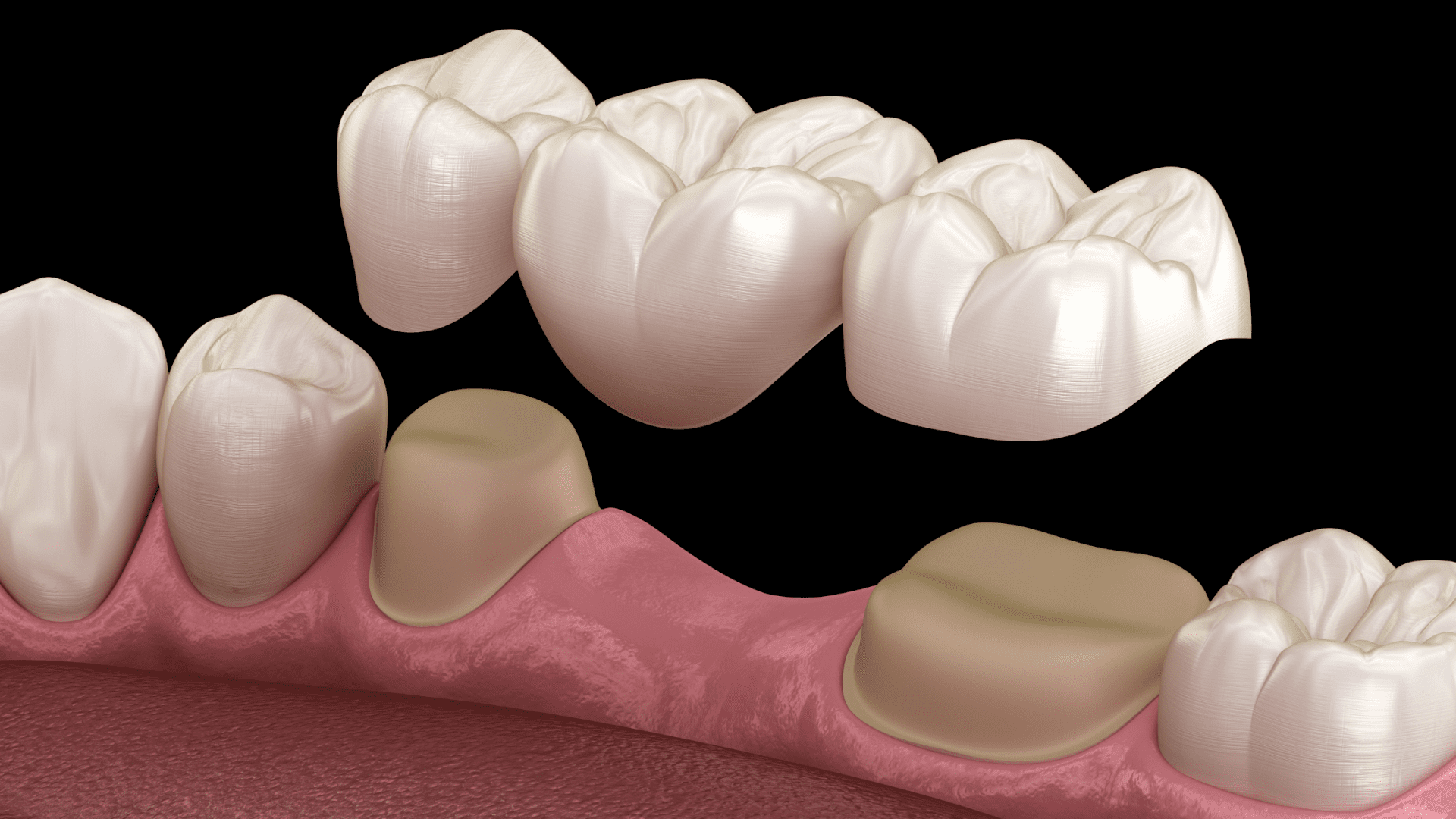
A dental bridge is a fixed restoration used to replace one or more missing teeth. It consists of one or more artificial teeth (called pontics) held in place by crowns on the teeth on either side of the gap — the anchor teeth, or abutments. The bridge literally spans the gap left by the missing tooth or teeth.
Like crowns, bridges are custom-made from natural-looking porcelain or zirconia and are permanently cemented into place. They cannot be removed by the patient.
Crown vs. Bridge — Which Do You Need?
You need a crown if: your natural tooth is still present but is cracked, broken, heavily decayed, severely worn, or has just had root canal treatment and needs protection
You need a bridge if: a tooth is missing and you want a fixed replacement that does not require surgery — and healthy teeth are present on either side of the gap to support it
You may need both if: multiple adjacent teeth are damaged or missing, or if crowns are needed on the anchor teeth of a bridge regardless
Your dentist will assess your individual situation and recommend the most appropriate and conservative option. There is no single answer — the right choice depends on the condition of your teeth, the size of the gap, the health of adjacent teeth, and your long-term goals.
When Is a Crown Recommended?
A large cavity that cannot be repaired with a filling alone
A cracked or fractured tooth at risk of splitting further
A broken tooth that needs to be rebuilt
A tooth weakened by multiple large fillings
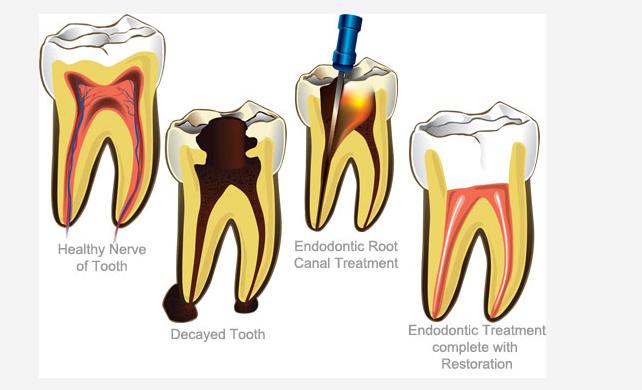
A tooth that has undergone root canal treatment
Severe tooth wear from grinding (bruxism)
A misshapen or severely discoloured tooth
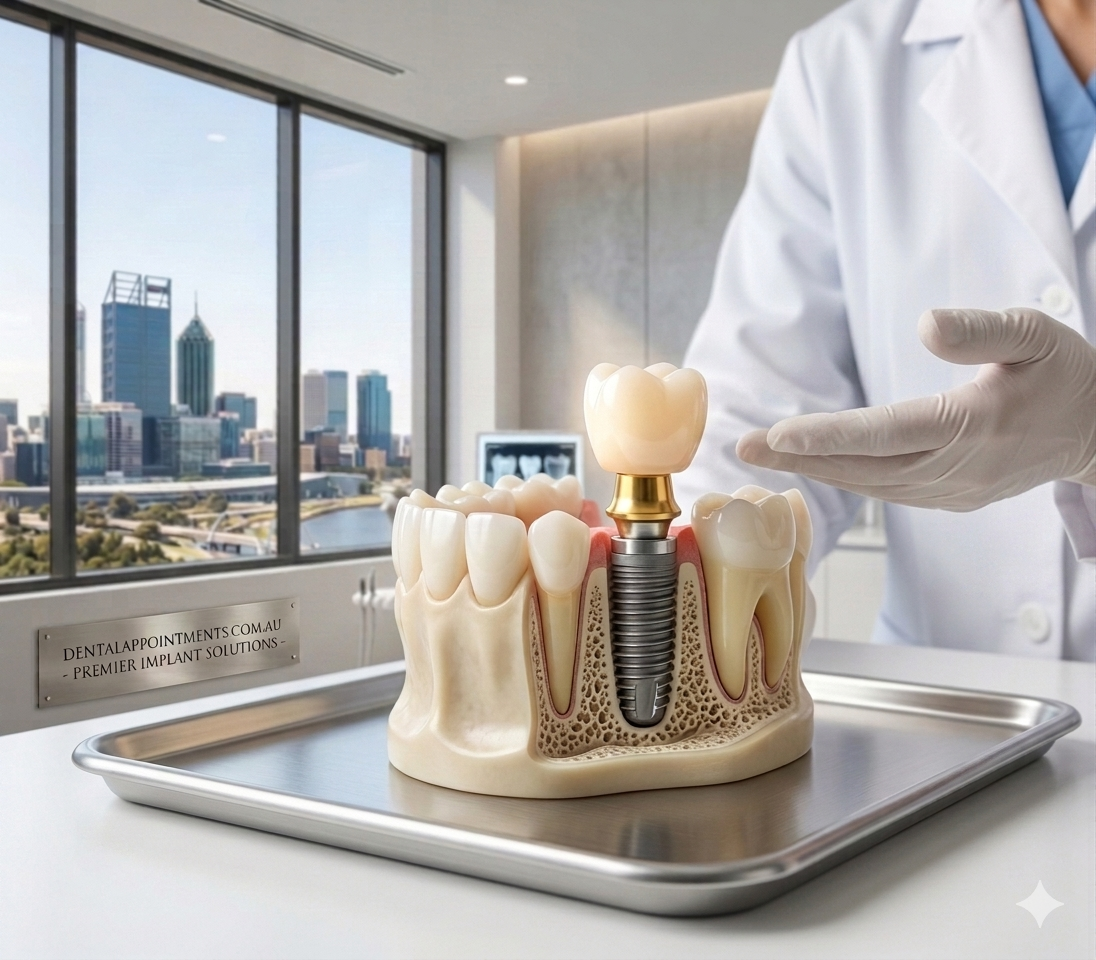
To cap a dental implant post
When Is a Bridge Recommended?
One or more teeth are missing and healthy teeth exist on either side of the gap
You want a permanent, fixed replacement without implant surgery
The gap is causing adjacent teeth to shift or your bite to change
You are not a suitable candidate for implants due to insufficient bone or health factors
You want a faster solution — bridges typically take two to three appointments, compared to the 4 to 8 month implant process
Types of Crowns and Bridges
All-Ceramic and All-Porcelain
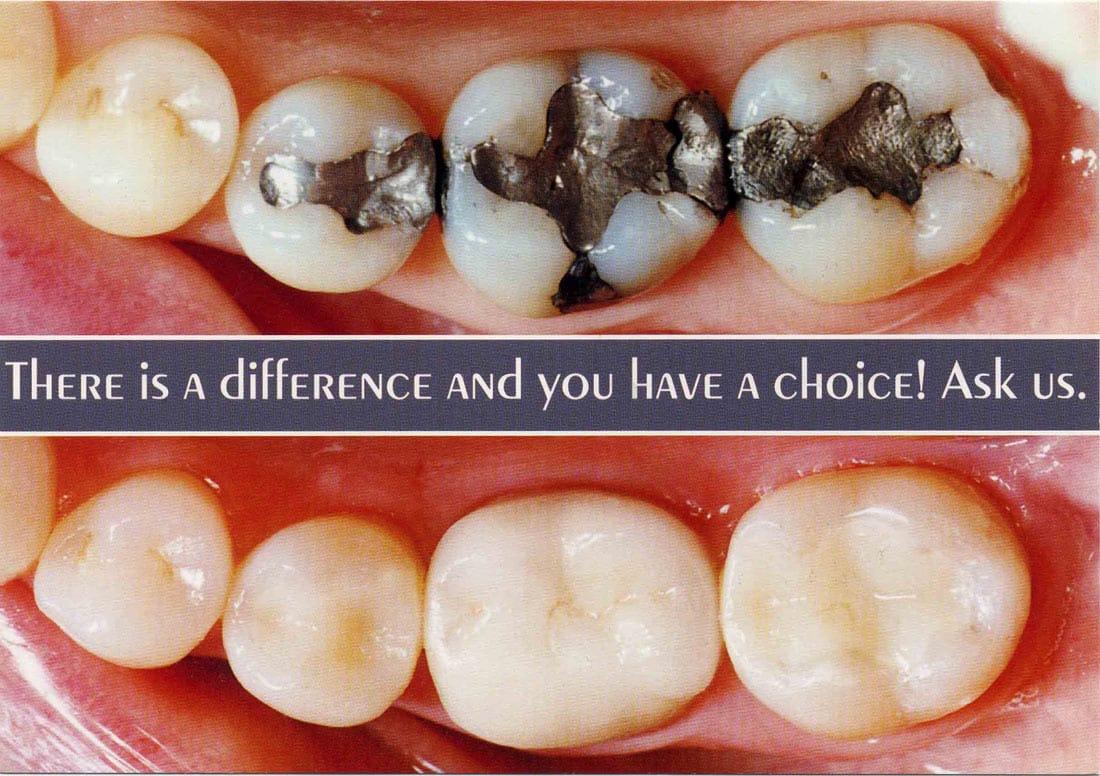
The most natural-looking option. No metal means no dark line at the gum margin. Excellent for front teeth and patients who prioritise aesthetics.
Zirconia
An advanced ceramic material that combines outstanding strength with a natural appearance. Ideal for back teeth or any situation where both durability and aesthetics are required. One of the most popular materials in modern restorative dentistry.
Porcelain-Fused-to-Metal (PFM)
A porcelain outer layer over a metal substructure. Strong and cost-effective. A small dark line can sometimes appear at the gum margin over time, making this option less popular for highly visible teeth.
Gold or Metal Alloy
The most durable material available. Rarely chosen for aesthetic reasons but occasionally recommended for back molars in cases where strength is the primary concern and appearance is not.
The Crown and Bridge Procedure: Step by Step
Step 1 — Assessment and Treatment Planning
Your dentist examines the tooth or gap, takes X-rays, and assesses the health of adjacent and opposing teeth. A treatment plan and itemised quote are provided before any work begins.
Step 2 — Tooth Preparation
For a crown: the existing tooth is reshaped to make room for the crown. For a bridge: both anchor teeth on either side of the gap are shaped to receive the supporting crowns. This is done under local anaesthetic.
Step 3 — Impressions
A precise digital or physical impression of the prepared teeth is taken and sent to the dental laboratory, where your crown or bridge is custom-crafted to exact specifications. This typically takes one to two weeks.
Step 4 — Temporary Restoration
A temporary crown or bridge is fitted to protect the prepared teeth and maintain aesthetics and function while your permanent restoration is being made.
Step 5 — Fitting the Permanent Restoration
The permanent crown or bridge is tried in, checked for fit, colour and bite, adjusted as needed, and then permanently cemented into place. Your restoration is complete in the same appointment.
How Long Do Crowns and Bridges Last?
Porcelain and ceramic crowns: 10 to 15 years on average
Zirconia crowns and bridges: 15 to 20+ years
Gold crowns: 20 to 30+ years
Dental bridges: 10 to 15 years, depending on material and oral hygiene
Longevity is strongly influenced by how well you care for your teeth at home. Thorough brushing, careful flossing around and under bridges using floss threaders or interdental brushes, and attending regular check-ups all significantly extend the life of your restorations.
How Much Do Crowns and Bridges Cost in Perth's Northern Suburbs?
Costs depend on the material chosen, the complexity of preparation, and how many units (crowns or bridge spans) are required. As a general guide for the Hocking, North Beach, Two Rocks and Mullaloo area:
Single crown (all-ceramic or porcelain-fused-to-metal): $1,500 to $2,500
Single crown (zirconia): $1,800 to $2,800
Three-unit bridge (two crowns and one pontic): $4,500 to $7,500
Core build-up before crown (if required): $200 to $500
These are indicative ranges only. A fully itemised quote will be provided at your appointment. We accept most major health funds and offer flexible payment plan options.
Does Health Insurance Cover Crowns and Bridges?
Yes — crowns and bridges are covered under Major Dental (Extras) health insurance in Australia, subject to your policy's annual limits and waiting periods. The amount covered varies between funds. Our team can provide a claim-ready itemised quote using ADA item numbers to help you understand and maximise your rebate.
Frequently Asked Questions
Is a bridge or an implant better for a missing tooth?
Both are excellent long-term solutions, and the better option depends on your individual situation. Implants preserve jawbone, do not affect adjacent teeth, and typically last longer — but require surgery and a 4 to 8 month treatment timeline. Bridges are faster, do not require surgery, and are more affordable upfront — but do require reshaping healthy adjacent teeth and do not prevent bone loss in the gap. Your dentist will help you weigh up both options.
Can I eat normally with a crown or bridge?
Yes — once fully cemented, crowns and bridges function like natural teeth and you can eat most foods normally. We recommend avoiding very hard foods (ice, hard lollies, tough crusts) that can chip porcelain, and using floss threaders or interdental brushes to clean under a bridge.
Will my crown or bridge look natural?
Modern porcelain and zirconia restorations are custom-shaded and contoured to match your surrounding teeth. Most patients report that friends and family have no idea which tooth has been restored. Our restorations are crafted by specialist dental laboratories using high-quality materials.
How do I clean under a bridge?
Regular floss cannot pass between the pontic (false tooth) and the gum. Floss threaders, superfloss, or interdental brushes allow you to clean underneath the bridge and along the gum margin — a critical step in preventing decay on the anchor teeth and gum disease under the bridge. Your dentist or hygienist will show you the correct technique at your fitting appointment.
Book Your Appointment in Hocking, North Beach, Two Rocks or Mullaloo
Whether you need to protect a damaged tooth with a crown or close a gap with a bridge, our local team at DentalAppointments.com.au is experienced, thorough, and ready to help you restore your smile with a result that looks and feels completely natural.
Book your consultation today and receive a clear, itemised treatment plan with no surprises.
Book online at www.dentalappointments.com.au or call your nearest clinic today.
Tags