Dental Fillings in Hocking, North Beach, Two Rocks & Mullaloo: Catch Cavities Early and Save Your Tooth
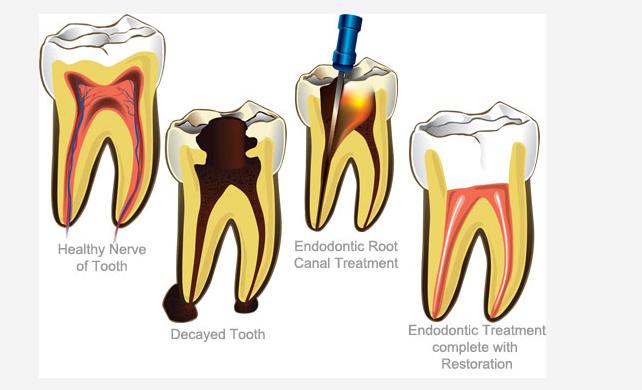
A small cavity might not seem urgent — especially if it's not causing pain yet. But here's the reality: tooth decay does not stop on its own. Left untreated, a cavity that could have been fixed in a single short appointment becomes a much larger problem requiring a crown, root canal, or even extraction.
At DentalAppointments.com.au, our local team serving Hocking, North Beach, Two Rocks and Mullaloo sees this every week. The patients who act early walk away with a simple, affordable filling. Those who wait too long face far more extensive — and expensive — treatment. This guide covers everything you need to know about dental fillings before your next appointment.
What Is a Dental Filling?
A dental filling is a restorative treatment used to repair a tooth that has been damaged by decay (cavities), minor fractures, or wear. The procedure involves removing the decayed or damaged portion of the tooth, cleaning the area thoroughly, and filling it with a durable material that restores the tooth's original shape and function.
Fillings are one of the most common dental procedures performed in Australia and, when done early, are one of the most straightforward. Most single-tooth fillings are completed in a single appointment with no downtime.
Signs You May Need a Filling
Many cavities are detected by your dentist before you ever feel them — which is one of the most important reasons to attend regular check-ups. However, some signs that you may need a filling include:
A visible hole, pit or dark spot on a tooth
Tooth sensitivity to hot, cold or sweet foods and drinks
A toothache or throbbing pain, particularly when biting
Food getting stuck in the same spot repeatedly
A rough or sharp edge on a tooth that you can feel with your tongue
An old filling that has cracked, chipped or fallen out
If you are experiencing any of these symptoms and you're in Hocking, North Beach, Two Rocks or Mullaloo, book an appointment sooner rather than later. Early intervention almost always means a smaller filling, a shorter appointment, and a lower cost.
Types of Dental Fillings
Two main types of filling material are commonly used in Australian dental clinics. Your dentist will recommend the most suitable option based on the size and location of the cavity, your bite, and your preferences.
Composite Resin (Tooth-Coloured) Fillings
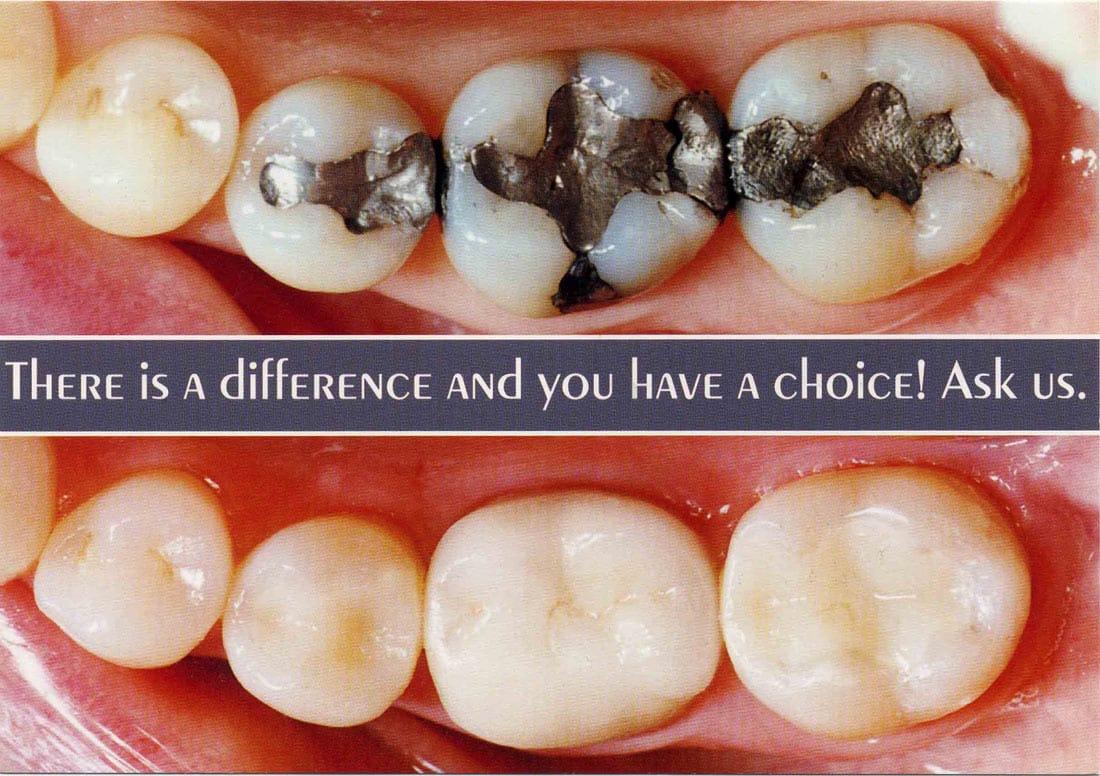
Composite is a tooth-coloured resin material that is matched to the shade of your natural tooth enamel, making it virtually invisible. It bonds directly to the tooth structure, which means less healthy tooth material needs to be removed during preparation compared to amalgam.
Composite fillings are the preferred option for most patients today, particularly for visible front teeth and smaller cavities. They are aesthetically superior to amalgam and deliver excellent results when placed by an experienced dentist.
Amalgam (Silver) Fillings
Dental amalgam is a durable metal alloy that has been used in dentistry for over 150 years. It is extremely strong and long-lasting, making it a reliable option for large fillings in back molars that endure significant chewing force.
While amalgam is no longer the first choice for most patients due to its silver appearance, it remains a clinically effective material. Some patients with existing large amalgam fillings in good condition may be advised to leave them in place rather than replace them unnecessarily.
The Dental Filling Procedure: What to Expect
Step 1 — Assessment and X-rays
Your dentist examines your teeth visually and uses X-rays to identify the full extent of any decay, including areas not visible to the naked eye. A precise diagnosis ensures the right treatment is recommended from the outset.
Step 2 — Local Anaesthetic
The area around the tooth is numbed with a local anaesthetic injection. Most patients find this the most uncomfortable part of the procedure — and even this is brief and well-tolerated.
Step 3 — Decay Removal
Using a dental drill or, in some cases, a laser or air abrasion device, the decayed tooth structure is removed. The cavity is then cleaned to eliminate any remaining bacteria.
Step 4 — Filling Placement
For composite fillings, the resin is applied in layers and hardened with a special curing light. The filling is then shaped and polished to match the natural contours of your tooth. For amalgam, the material is packed into the cavity and smoothed to create a natural bite.
Step 5 — Bite Check and Polish
Your dentist checks your bite by asking you to bite down on special paper that marks any high spots. Fine adjustments are made until the filling feels completely natural, and the tooth is polished to a smooth finish.
How Long Do Fillings Last?
The lifespan of a filling depends on the material used, the size of the restoration, its location, and your oral hygiene habits:
Composite resin fillings: 7 to 10 years on average, though many last considerably longer
Amalgam fillings: 10 to 15 years, sometimes 20 or more
Fillings can fail prematurely if the surrounding tooth develops new decay, if the filling cracks under heavy bite forces, or if oral hygiene is poor. Attending regular check-ups allows your dentist to identify and address any issues before the filling fails completely.
How Much Do Dental Fillings Cost in Perth's Northern Suburbs?
Filling costs depend on the size of the cavity, the material used, and the number of tooth surfaces involved. As a general guide for the Hocking, North Beach, Two Rocks and Mullaloo area:
Small composite (tooth-coloured) filling — 1 surface: $150 to $250
Medium composite filling — 2 surfaces: $200 to $350
Large composite filling — 3 or more surfaces: $300 to $500+
Amalgam filling: $120 to $300 depending on size
These are indicative ranges only. A precise quote will be provided at your appointment. We accept most major health funds and offer flexible payment plan options.
Does Health Insurance Cover Fillings?
Yes — dental fillings are covered under General Dental (Extras) health insurance policies. Most funds cover a significant portion of the cost, subject to your annual limits and any applicable waiting periods. Our team can provide an itemised quote using ADA item numbers to help you understand and maximise your rebate.
Composite vs. Amalgam — Which Is Right for You?
Most patients today choose composite for the simple reason that it is tooth-coloured and blends naturally with surrounding teeth. However, there are situations where amalgam may still be recommended:
Composite is ideal for: front teeth, visible areas, smaller to medium cavities, patients who prefer a natural appearance
Amalgam may be preferred for: very large cavities in back molars, patients who grind heavily, cases where moisture control during placement is difficult
Your dentist will discuss both options with you and make a recommendation based on the specific tooth, cavity size, your bite, and your preferences. There is no single right answer — the best filling is the one that lasts the longest for your individual situation.
Frequently Asked Questions
Do fillings hurt?
The procedure itself is performed under local anaesthetic and most patients feel no pain during the appointment. Some mild sensitivity in the treated tooth is normal for a few days after placement, particularly with composite fillings. This settles quickly. If you experience significant or prolonged pain after a filling, contact your dentist.
Can I eat after a filling?
With composite fillings, which are hardened immediately with a curing light, you can eat as soon as the anaesthetic wears off — usually within a few hours. With amalgam fillings, it is advisable to avoid chewing on that side for 24 hours while the material fully hardens.
Do I need to replace old silver fillings?
Not necessarily. Old amalgam fillings that are structurally sound, not leaking, and causing no problems can safely remain in place. Replacing them unnecessarily removes additional healthy tooth structure. However, if an amalgam filling is cracked, worn, leaking or surrounded by new decay, replacement — often with composite — is appropriate.
How often should I have check-ups?
Most adults benefit from a dental check-up and clean every six months. Patients at higher risk of decay — due to diet, dry mouth, medical conditions, or a history of multiple fillings — may benefit from more frequent visits. Regular X-rays allow your dentist to catch new cavities between check-ups when they are small and easy to treat.
Book Your Appointment in Hocking, North Beach, Two Rocks or Mullaloo
Whether you've noticed a sensitive spot, spotted something that doesn't look right, or it's simply been a while since your last check-up, our team at DentalAppointments.com.au is here to help. We serve patients right across Hocking, North Beach, Two Rocks, Mullaloo and the surrounding northern suburbs.
Don't let a small cavity become a big problem. Book your appointment today and get it sorted.
Book online at www.dentalappointments.com.au or call your nearest clinic today.
Tags