Dental Crowns in Hocking, North Beach, Two Rocks & Mullaloo: Restore Your Tooth Before It's Too Late
A cracked tooth. A large filling that's failing. A tooth that survived a root canal but now feels fragile. These are some of the most common situations our patients across Hocking, North Beach, Two Rocks and Mullaloo come to us with — and in most cases, a dental crown is exactly the right solution.
A crown saves the natural tooth, restores it to full function, and gives it the protection it needs to last for many more years. In this guide we cover everything you need to know before booking your appointment.
What Is a Dental Crown?
A dental crown — sometimes called a dental cap — is a custom-made cover that fits over an existing tooth, encasing it completely from the gum line up. It restores the tooth's original shape, size, strength and appearance, allowing it to function normally again.
Crowns are made from various materials — most commonly tooth-coloured porcelain or ceramic — so they blend seamlessly with your surrounding teeth. Once in place, a crown is permanently cemented and treated just like a natural tooth.
When Do You Need a Dental Crown?
Your dentist may recommend a crown in any of the following situations:
A tooth has a large cavity that is too big to be repaired with a filling alone
A tooth is cracked or fractured and is at risk of splitting further
A tooth has broken and needs to be rebuilt
A tooth has been weakened by multiple large fillings over time
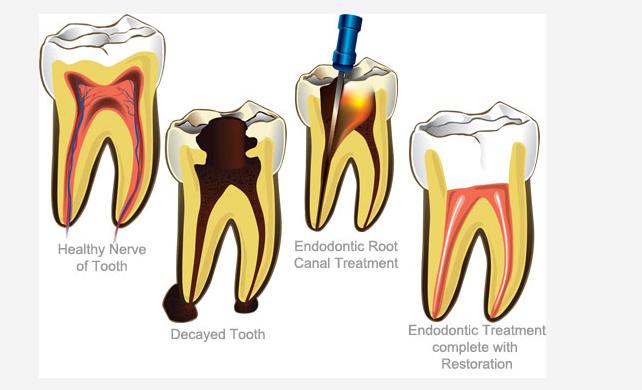
A tooth has just had root canal treatment and needs protection
A tooth is severely worn down due to grinding (bruxism)
A tooth is misshapen or severely discoloured and cosmetic options have been considered
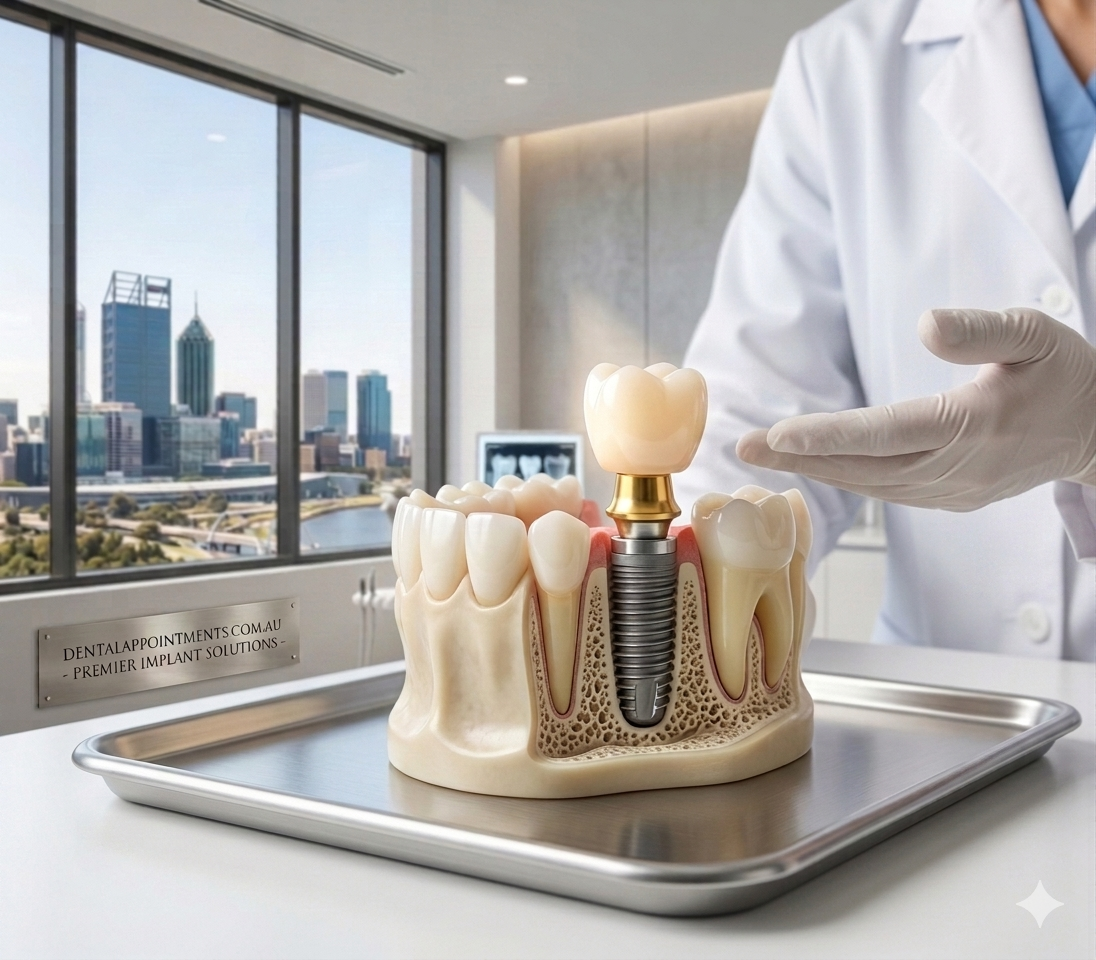
A dental implant needs a crown placed on top to complete the restoration
An existing crown has cracked, chipped or worn out and needs replacing
If you are experiencing pain when biting, sensitivity to temperature, visible cracks, or a tooth that feels loose or unsteady, it is worth having it assessed sooner rather than later. Waiting can turn a straightforward crown into a more complex and costly procedure.
Types of Dental Crowns
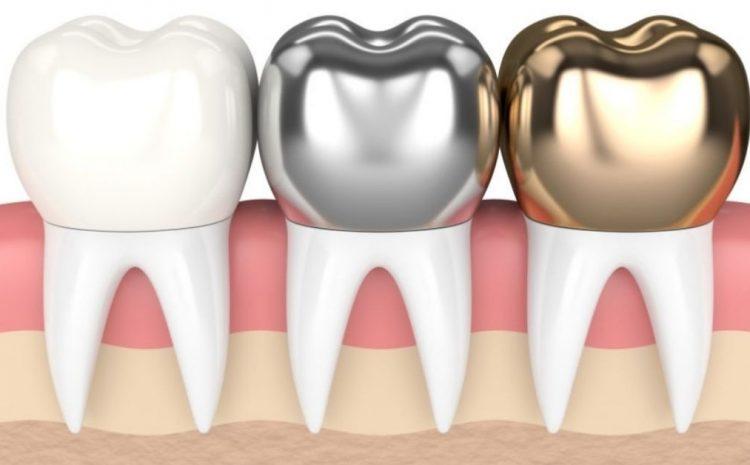
Several crown materials are available, each with its own strengths. Your dentist will recommend the most suitable type based on which tooth needs the crown, your bite, your aesthetic goals, and your budget.
Porcelain-Fused-to-Metal (PFM) Crowns
A metal base with a porcelain outer layer. These are strong and offer a good aesthetic result, though a thin dark line can sometimes appear at the gum margin over time. A reliable and cost-effective option for most teeth.
All-Ceramic or All-Porcelain Crowns
The most natural-looking option. No metal means no dark line at the gum, making these ideal for front teeth or anyone with metal sensitivities. They are slightly less strong than metal-based options but more than adequate for most patients.
Zirconia Crowns
Zirconia is an extremely strong ceramic material that combines the durability of metal with the appearance of porcelain. Zirconia crowns are an excellent choice for back teeth that experience heavy chewing forces and for patients who want both strength and aesthetics.
Gold or Metal Crowns
The most durable option of all. Gold crowns are very rarely used today for aesthetic reasons but remain the most long-lasting material available. They are occasionally recommended for back molars where appearance is not a priority and maximum durability is needed.
CEREC Same-Day Crowns
Using CAD/CAM (computer-aided design and manufacturing) technology, some clinics can design and mill a ceramic crown in a single appointment, eliminating the need for a temporary crown and a second visit. Ask our team if this option is available at your nearest clinic.
The Dental Crown Procedure: What to Expect
Step 1 — Consultation and Assessment
Your dentist examines the tooth, takes X-rays to assess the root and surrounding bone, and determines whether a crown is the right treatment. You will receive a clear treatment plan and itemised quote before any work begins.
Step 2 — Tooth Preparation
Under local anaesthetic, the tooth is reshaped by removing a small amount of enamel from the outer surfaces. This creates space for the crown to sit without feeling bulky. If the tooth has significant decay or damage, the dentist will first rebuild the core of the tooth with a filling material to give the crown a strong foundation.
Step 3 — Impressions
A precise impression (mould) of the prepared tooth and surrounding teeth is taken — either digitally using a 3D intraoral scanner or with traditional impression material. This is sent to a dental laboratory where your custom crown is crafted to exact specifications.
Step 4 — Temporary Crown
A temporary crown is fitted over the prepared tooth to protect it while your permanent crown is being made. This usually takes one to two weeks. Avoid very sticky or hard foods during this period.
Step 5 — Fitting Your Permanent Crown
Once the permanent crown is ready, the temporary is removed, and the new crown is checked for fit, colour match and bite comfort. Any adjustments are made before it is permanently cemented into place.
Step 6 — Aftercare
Your crown is ready to use immediately. Treat it just like a natural tooth — brush twice daily, floss around it, and attend regular check-ups. Avoid using your crowned tooth to bite hard objects such as ice or fingernails.
How Long Does a Dental Crown Last?
With proper oral hygiene and regular dental visits, most crowns last between 10 and 15 years. High-quality zirconia and gold crowns can last 20 years or more. The longevity of a crown depends on the material chosen, where the tooth is located, your bite, and how well you care for it at home.
A crown can fail prematurely if the underlying tooth develops new decay, if the cement seal breaks down, or if it is subjected to repeated heavy grinding forces. A custom night guard can help protect crowns if you grind your teeth.
How Much Do Dental Crowns Cost in Perth's Northern Suburbs?
Crown costs vary depending on the type of material, the complexity of the case, and whether any preparatory work such as a core build-up or root canal treatment is needed. As a general guide for the Hocking, North Beach, Two Rocks and Mullaloo area:
Porcelain-fused-to-metal crown: $1,500 to $2,200
All-ceramic or all-porcelain crown: $1,700 to $2,500
Zirconia crown: $1,800 to $2,800
Gold or metal crown: $1,500 to $2,400
Core build-up (if required): $200 to $500
These are indicative ranges only. A fully itemised quote will be provided at your appointment. We accept most major health funds and offer flexible payment plan options.
Does Health Insurance Cover Dental Crowns?
Yes — dental crowns are typically covered under Major Dental (Extras) health insurance policies, subject to your annual limits and waiting periods. The amount covered varies between funds. Our team can provide you with an itemised quote using ADA item numbers to help you understand your entitlements and maximise your claim.
Dental Crown vs. Filling — What's the Difference?
Patients often ask why a crown is recommended rather than a larger filling. The key difference comes down to the amount of tooth structure remaining and the forces placed on the tooth:
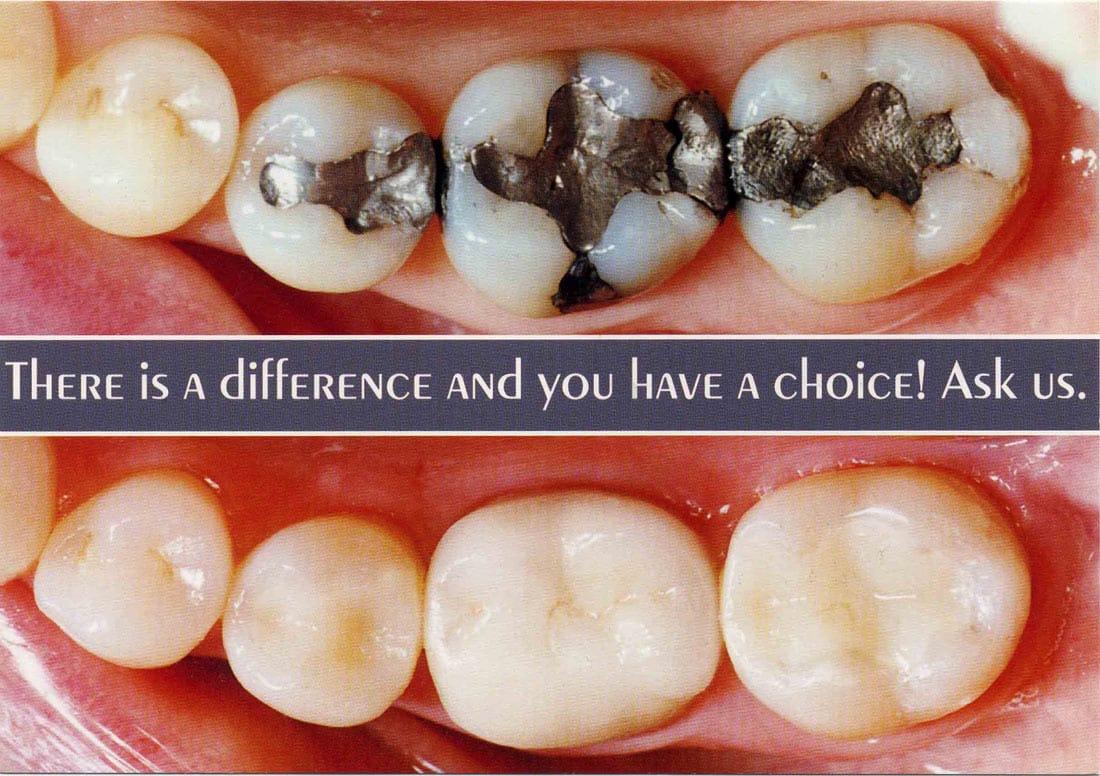
A filling replaces missing tooth structure from the inside. It relies on the surrounding walls of the tooth for support and strength.
A crown encases the entire tooth, holding the remaining structure together and distributing biting forces evenly. This is critical when a tooth's walls are thin or weakened.
Choosing a filling when a crown is needed can result in the remaining tooth walls cracking or breaking — often leading to extraction. Your dentist will always recommend the most conservative option that will reliably protect your tooth long-term.
Frequently Asked Questions
Is getting a dental crown painful?
The preparation procedure is performed under local anaesthetic, so you should feel little to no pain during the appointment. Some sensitivity and mild soreness around the gum is normal for a few days afterwards and settles quickly. If you have significant pain once the anaesthetic wears off, contact your dentist.
How many appointments does a crown take?
Most crowns require two appointments: one for preparation and impressions, and one to fit the permanent crown approximately one to two weeks later. If CEREC same-day crown technology is available at your clinic, the entire process can be completed in a single visit.
Can a crown fall off?
It is uncommon but possible. A crown can come loose if the cement seal breaks down over time, if the underlying tooth decays, or if the crown sustains a significant impact. If your crown comes off, keep it safe and contact our clinic as soon as possible — in many cases it can be re-cemented.
Do I still need to floss around a crown?
Absolutely. The crown itself cannot decay, but the natural tooth structure beneath the crown margin (the edge where the crown meets the gum) can. Plaque and bacteria at the gum line can cause decay or gum disease around the crown if oral hygiene is neglected. Flossing around your crown is just as important as flossing any other tooth.
Can a crown be whitened?
No. Unlike natural enamel, ceramic and porcelain crowns do not respond to whitening treatments. If you are considering teeth whitening, it is best to do so before having a crown placed so the crown can be matched to your desired shade.
Book Your Crown Consultation in Hocking, North Beach, Two Rocks or Mullaloo
Don't wait until a cracked or damaged tooth becomes an emergency. The sooner a crown is placed, the more of your natural tooth can be preserved — and the better the long-term outcome.
Our team at DentalAppointments.com.au is local, experienced, and ready to help you restore your smile. Book your consultation and get a clear, itemised treatment plan with no surprises.
Book online at www.dentalappointments.com.au or call your nearest clinic today.
Tags