What is Gum Disease?
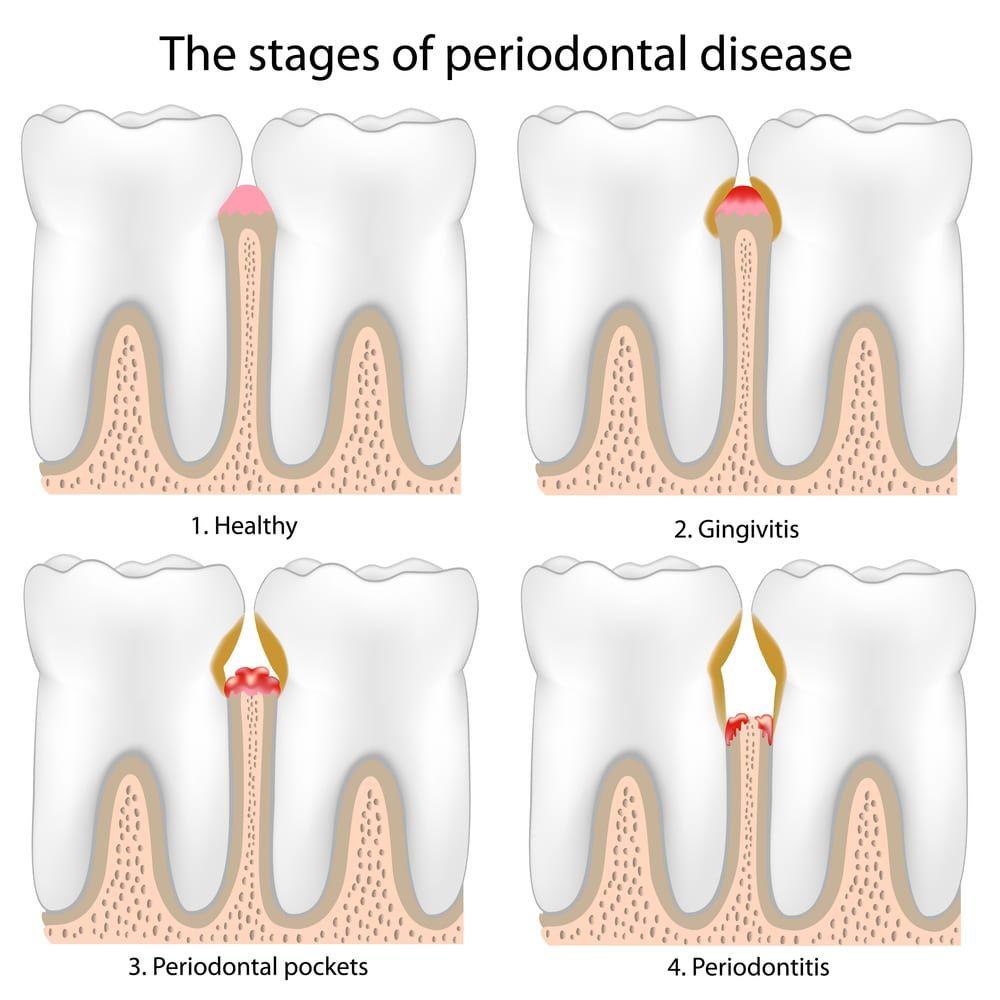
Gum disease, also known as periodontal disease, is an infection of the tissues that support your teeth. It begins with gingivitis – inflammation of the gums – and can progress to periodontitis, a more severe condition that can damage the soft tissue and bone supporting your teeth.
The statistics are sobering: according to the Australian Institute of Health and Welfare, over half of Australian adults show some signs of gum disease. Yet many people don't even realise they have it until significant damage has occurred.
The Stages of Gum Disease
Stage 1: Gingivitis
The earliest stage of gum disease is gingivitis, characterised by:
• Red, swollen gums
• Bleeding when brushing or flossing
• Bad breath
• Tender gums
Good news: gingivitis is reversible with proper oral hygiene and professional dental care.
Stage 2: Early Periodontitis
If gingivitis is left untreated, it can progress to early periodontitis. At this stage:
• Gums begin to pull away from teeth, creating pockets
• These pockets harbour bacteria
• Bone loss begins
• Professional treatment is essential to prevent further damage
Stage 3: Moderate to Advanced Periodontitis
In advanced stages, gum disease causes:
• Significant bone loss
• Tooth loosening or loss
• Receding gums exposing tooth roots
• Persistent bad breath
• Changes in bite alignment
Warning Signs You Shouldn't Ignore
Early detection is crucial for successful treatment. Contact Dental Appointments if you notice:
Bleeding Gums: While common, bleeding gums are not normal and always warrant attention.
Persistent Bad Breath: Chronic halitosis can indicate bacterial buildup associated with gum disease.
Gum Recession: If your teeth appear longer or you can see more tooth surface than before, your gums may be receding.
Loose Teeth: Adult teeth should be firmly anchored. Any movement suggests bone loss.
Painful Chewing: Discomfort when eating can signal periodontal problems.
Changes in Bite: If your teeth don't fit together the way they used to, it may indicate gum disease progression.
Risk Factors for Gum Disease
Understanding your risk factors helps you take preventive action:
Poor Oral Hygiene: Inadequate brushing and flossing allows plaque buildup.
Smoking and Tobacco Use: Smokers are significantly more likely to develop gum disease and experience worse outcomes.
Diabetes: People with diabetes have higher susceptibility to infections, including gum disease.
Genetics: Some people are genetically predisposed to gum disease.
Hormonal Changes: Pregnancy, menstruation, and menopause can make gums more vulnerable.
Medications: Certain drugs reduce saliva flow, which protects teeth and gums.
Stress: Chronic stress weakens the immune system, making it harder to fight infection.
Age: Risk increases with age, though gum disease is not an inevitable part of aging.
The Connection Between Gum Disease and Overall Health
Gum disease doesn't just affect your mouth – it has far-reaching implications for your overall health. Research has linked periodontal disease to:
Heart Disease: Bacteria from infected gums can enter the bloodstream and contribute to cardiovascular problems.
Diabetes Complications: Gum disease can make blood sugar harder to control, creating a problematic cycle.
Respiratory Issues: Bacteria from the mouth can be inhaled into the lungs, potentially causing infections.
Pregnancy Complications: Severe gum disease has been associated with premature birth and low birth weight.
Rheumatoid Arthritis: There's a bidirectional relationship between gum disease and inflammatory conditions.
Prevention: Daily Habits That Make a Difference
The good news? Gum disease is largely preventable. Incorporate these habits into your daily routine:
1. Brush Twice Daily
Use a soft-bristled toothbrush and fluoride toothpaste. Brush for at least two minutes, paying special attention to the gum line where plaque accumulates.
2. Floss Daily
Flossing removes plaque and food particles from between teeth and under the gum line where your toothbrush can't reach.
3. Use Antimicrobial Mouthwash
Rinsing with an antibacterial mouthwash can help reduce bacteria that cause gum disease.
4. Regular Dental Check-ups
Visit your dentist every six months for professional cleanings and examinations. Early detection makes treatment more effective.
5. Quit Smoking
Smoking is one of the most significant risk factors for gum disease. Quitting improves your oral and overall health.
6. Maintain a Healthy Diet
A balanced diet rich in vitamins and minerals supports gum health. Vitamin C is particularly important for maintaining healthy gum tissue.
Treatment Options for Gum Disease
If you've been diagnosed with gum disease, several treatment options are available:
Professional Cleaning: For gingivitis, a thorough professional cleaning may be sufficient to reverse the condition.
Scaling and Root Planing: This deep-cleaning procedure removes plaque and tartar from below the gum line and smooths root surfaces to discourage bacterial accumulation.
Medications: Antimicrobial mouth rinses, antibiotic gels, or oral antibiotics may be prescribed to control infection.
Surgical Treatments: Advanced cases may require procedures such as flap surgery, bone grafts, or tissue regeneration.
Take Action This Gum Disease Awareness Month
Don't let gum disease become your silent epidemic. This February, make your gum health a priority. Whether you need a routine check-up or have concerns about your gum health, the team at Dental Appointments is here to help.
Early intervention is key to preventing serious complications. If you've noticed any warning signs or it's been more than six months since your last dental visit, now is the time to act.
Contact dentalappointments.com.au today to schedule your comprehensive gum health assessment. Your smile – and your overall health – will thank you!
Tags