The Surprising Science Behind the Connection
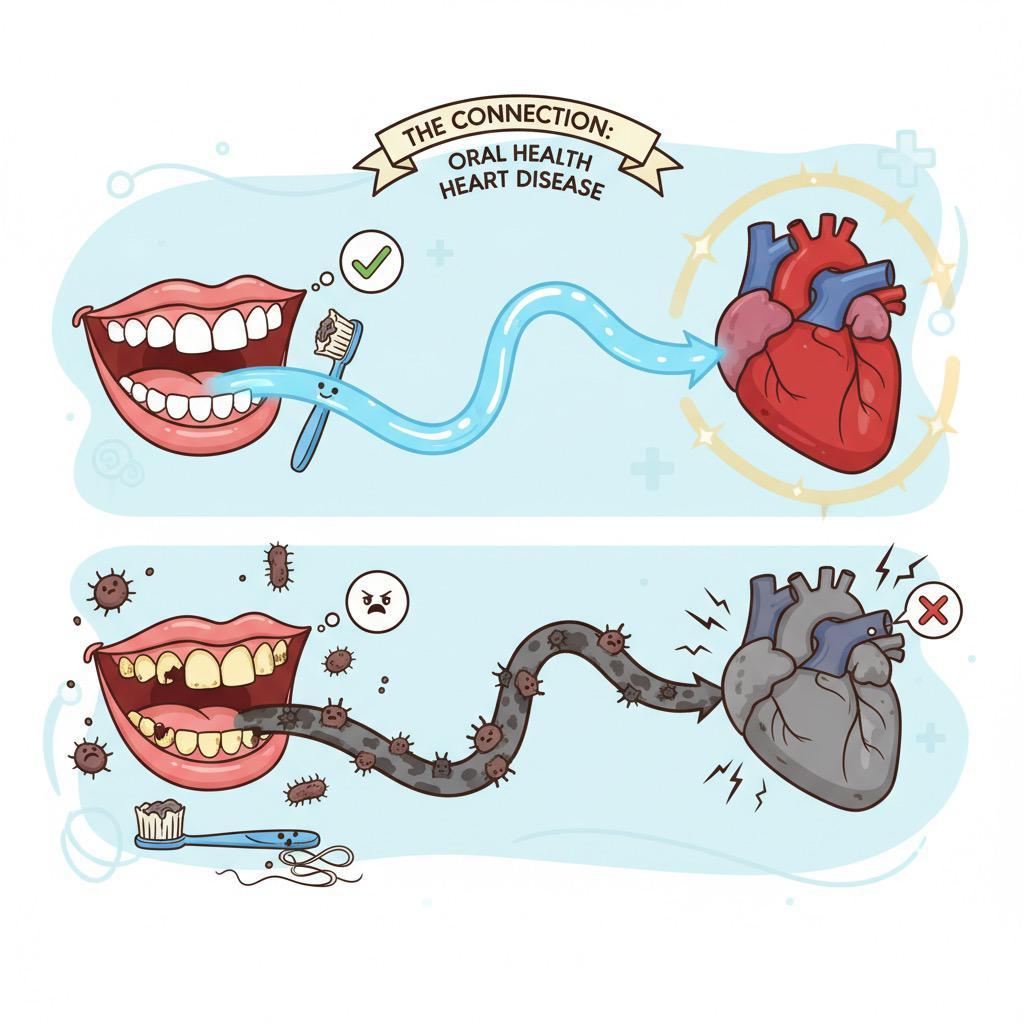
You might wonder what your teeth and gums have to do with your heart. The answer lies in inflammation and bacteria. Research has revealed compelling evidence that periodontal (gum) disease and cardiovascular disease share important connections.
When you have gum disease, harmful bacteria from your mouth can enter your bloodstream through bleeding gums. Once in the bloodstream, these bacteria can travel to your heart and blood vessels, potentially contributing to:
• Atherosclerosis (hardening of the arteries)
• Blood clots
• Inflammation in blood vessels
• Increased risk of heart attack and stroke
What the Research Shows
Multiple studies have demonstrated the connection between oral health and heart health:
Increased Risk: People with periodontal disease are almost twice as likely to have coronary artery disease compared to those with healthy gums.
Shared Risk Factors: Both conditions share common risk factors including smoking, diabetes, poor diet, and stress.
Inflammation Connection: Chronic inflammation from gum disease can contribute to inflammation throughout the body, including in the cardiovascular system.
Bacterial Evidence: The same bacteria found in dental plaque have been discovered in arterial plaque, suggesting a direct pathway between the mouth and cardiovascular system.
Understanding the Inflammatory Response
Inflammation is your body's natural response to infection and injury, but chronic inflammation can be harmful. Here's how gum disease creates a cascade of inflammatory responses:
Step 1: Bacterial Invasion
When you don't properly clean your teeth, bacteria accumulate along the gum line, forming plaque and eventually tartar.
Step 2: Immune Response
Your immune system recognises these bacteria as threats and triggers an inflammatory response, causing red, swollen, bleeding gums.
Step 3: Systemic Effects
If left untreated, this chronic inflammation can spread beyond your mouth, affecting your entire cardiovascular system and potentially increasing your risk of heart disease.
Other Cardiovascular Connections to Oral Health
The relationship between oral health and cardiovascular health extends beyond gum disease:
Endocarditis
This serious infection of the heart's inner lining can occur when bacteria from your mouth enter the bloodstream and attach to damaged heart tissue. People with pre-existing heart conditions are particularly vulnerable.
Stroke Risk
Research suggests that people with periodontal disease may have an increased risk of stroke, particularly in cases where gum disease is severe or long-standing.
Atherosclerosis
Oral bacteria and inflammation may contribute to the buildup of fatty deposits in arteries, restricting blood flow and increasing the risk of heart attack.
Who's at Higher Risk?
Certain groups should be particularly vigilant about the oral health-heart health connection:
People with Existing Heart Conditions: If you have a history of heart disease, heart valve problems, or have had a heart transplant, maintaining excellent oral health is crucial.
Diabetes Patients: Diabetes increases susceptibility to both gum disease and heart disease, creating a triple threat.
Smokers: Smoking damages both gum tissue and cardiovascular health, multiplying risk factors.
Older Adults: Age is a risk factor for both conditions, making preventive care increasingly important.
People with Family History: Genetic predisposition to either condition warrants extra attention to prevention.
Protecting Both Your Heart and Your Smile
The good news is that many of the steps you take to maintain good oral health also benefit your cardiovascular system:
1. Practice Excellent Oral Hygiene
• Brush twice daily for two minutes with fluoride toothpaste
• Floss daily to remove plaque between teeth
• Use an antimicrobial mouthwash to reduce bacteria
• Replace your toothbrush every three months
2. Regular Dental Check-ups
Visit your dentist every six months for professional cleanings and examinations. Early detection and treatment of gum disease can help protect your cardiovascular health.
3. Don't Ignore Warning Signs
Seek prompt dental care if you experience:
• Bleeding gums
• Persistent bad breath
• Receding gums
• Loose teeth
• Painful chewing
4. Adopt Heart-Healthy Lifestyle Habits
• Quit smoking – it's one of the worst things for both oral and heart health
• Eat a balanced diet rich in fruits, vegetables, and whole grains
• Limit sugar and processed foods
• Exercise regularly
• Manage stress effectively
• Control diabetes and blood pressure
5. Communicate with Your Healthcare Providers
Inform your dentist about any heart conditions or medications you're taking. Similarly, tell your cardiologist about any gum disease or dental issues. Coordinated care between your healthcare providers ensures comprehensive protection.
Special Considerations for Heart Patients
If you have a heart condition, certain dental procedures may require special precautions:
Antibiotic Prophylaxis: Some people with specific heart conditions may need to take antibiotics before dental procedures to prevent endocarditis.
Medication Interactions: Some heart medications can affect your oral health. For example, blood thinners may increase bleeding during dental procedures, and some blood pressure medications can cause dry mouth.
Timing of Procedures: After a heart attack or cardiac surgery, your dentist and cardiologist will work together to determine the appropriate timing for dental treatments.
The Bottom Line: Love Your Heart, Love Your Smile
The connection between oral health and cardiovascular health is clear and significant. By taking care of your teeth and gums, you're not just protecting your smile – you're also taking an important step toward protecting your heart.
This Heart Month, make a commitment to both your oral and cardiovascular health. The team at Dental Appointments is here to support you with comprehensive care that considers your whole-body wellness.
Don't wait – schedule your dental check-up today at dentalappointments.com.au. Your heart will thank you!
Tags