Short answer: Perth dentists offer four main levels of sedation for nervous patients: happy gas (nitrous oxide) for light, quickly-reversible relaxation; oral sedation (a tablet) for moderate anxiety over a longer appointment; IV sedation ("twilight" or sleep dentistry) for deeper, dentist- or specialist-administered relaxation; and general anaesthetic, used for complex surgery, usually in a hospital or day surgery setting with a specialist anaesthetist. Costs, fasting rules and escort requirements increase with the depth of sedation. A written quote always follows a clinical exam.
What sedation options are actually available for anxious patients?
There isn't one "sedation dentistry" treatment there's a scale, and where you sit on it depends on your anxiety level, the procedure, and your general health. The four options Perth patients typically ask about are nitrous oxide (happy gas), oral sedation, IV sedation, and general anaesthetic (GA). Each has a different feel, a different cost structure, and different rules about who can give it and how you get home afterwards. Not every dental practice offers every level, and some sedation is delivered by the treating dentist while deeper sedation and GA require a separately qualified sedationist or specialist anaesthetist. Always ask your dentist directly which options they offer and whether they're appropriate for your treatment and medical history.
What does happy gas (nitrous oxide) feel like, and what does it cost?
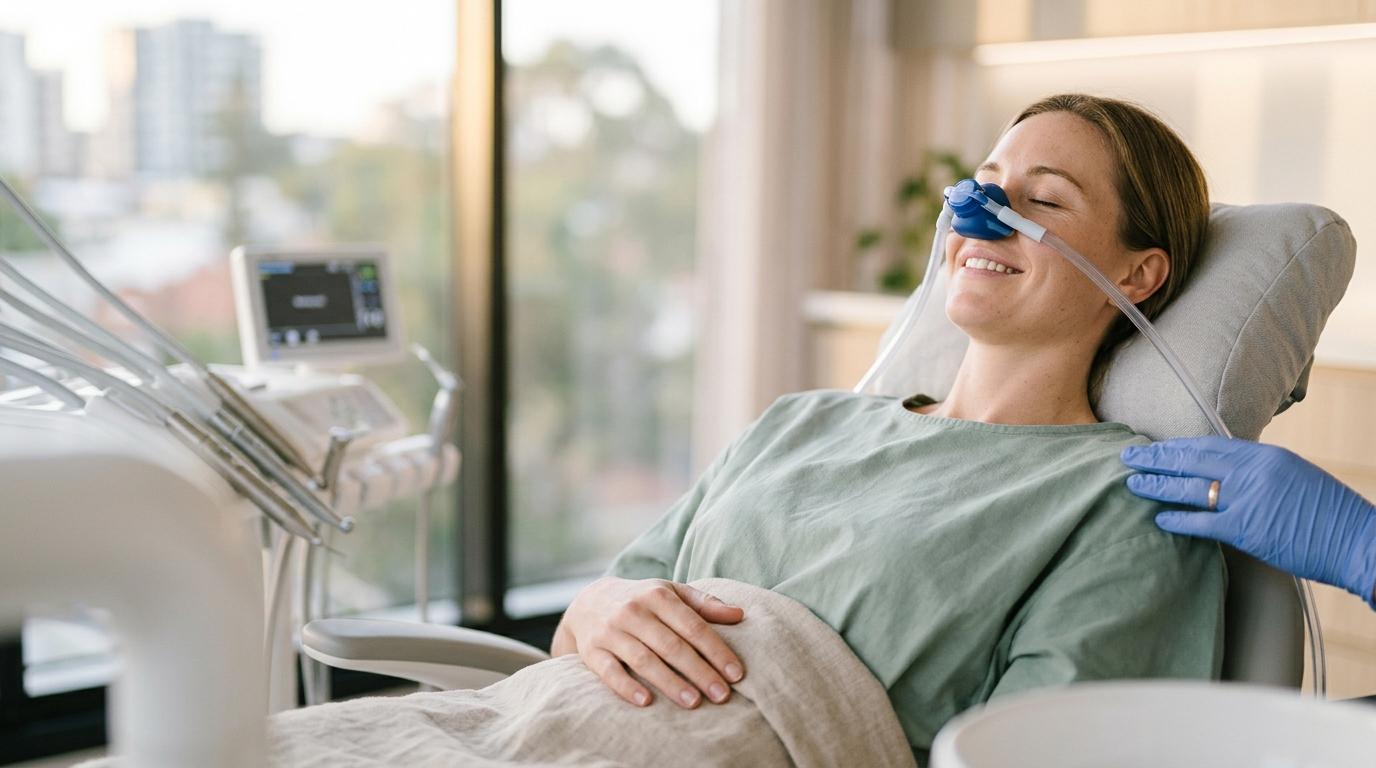
Nitrous oxide is breathed in through a small nose piece mixed with oxygen. A mixture of nitrous oxide and oxygen breathed through a small nose piece produces a feeling of relaxation and euphoria, and you remain fully conscious and can respond to instructions. Many patients describe it as a light, floaty feeling rather than drowsiness. It's best suited to mild anxiety, short procedures and patients who want to take the edge off, and recovery is immediate you can drive yourself home once the gas is turned off.
As a guide only, inhaled sedation in Australia is often priced at AUD$200 and AUD$400, though this varies between practices and is usually charged on top of the treatment fee. A written quote that reflects your actual appointment follows your exam.
What does oral sedation feel like, and what does it cost?
Oral sedation is a prescribed tablet, usually a benzodiazepine, taken before your appointment. It's a sedative medication taken as a tablet 30 to 60 minutes before your appointment that produces moderate relaxation and drowsiness, and you may not remember much of the procedure. Unlike IV sedation, the dose can't be fine-tuned once it's taken, so your dentist will assess beforehand whether it's likely to be enough, or too much, for your anxiety level and the length of treatment.
It's best suited to moderate anxiety and procedures of 1 to 2 hours, with recovery taking several hours you cannot drive and will need someone to take you home. Expect a few hours of grogginess and clear your calendar for the rest of the day.
What does IV sedation ("sleep dentistry") feel like, and what does it cost?
IV sedation — sometimes marketed as twilight sedation or sleep dentistry is delivered through a small cannula in the hand or arm. A small cannula goes into your hand or arm, and within two to three minutes most patients feel warmth, heaviness and deep relaxation, drifting into a dream-like state where they are aware of voices and able to follow simple instructions, with little sense of time, while local anaesthetic numbs the treatment area. You're not unconscious it's sometimes called "sleep dentistry," but it's a misconception that you'll be fully asleep; it's also known as twilight sedation because you feel sleepy and relaxed but not fully asleep or unconscious. Most people remember little to nothing afterwards.
Because it's titrated into the bloodstream, a trained sedationist can adjust the level during the procedure, which is one reason it's often considered for longer or more involved treatment, or for higher anxiety levels where gas or a tablet isn't enough. It must be delivered and monitored by someone appropriately trained either a dentist with recognised sedation training or a specialist anaesthetist who tracks your heart rate, blood pressure and oxygen levels throughout.
Cost estimates vary a lot depending on who delivers it and for how long. Some Australian guides quote the average IV sedation cost in Australia starting from $850, while others describe hourly anaesthetist fees and separate facility costs that can add up quickly for longer procedures. Treat any figure you read online as a rough guide only the only number that matters is the one in your written quote, produced after an exam and a sedation-specific consultation.
What does general anaesthetic involve, and when is it used?
General anaesthetic (GA) means full unconsciousness, administered by a specialist anaesthetist, typically in a hospital or accredited day surgery facility rather than a standard dental chair. General anaesthesia is a different category entirely and is usually reserved for cases where unconsciousness is required, not because a patient feels nervous. It's most often considered for extensive or complex surgical work such as difficult wisdom teeth removal where the patient's medical needs, the complexity of the procedure, or a combination of severe anxiety and extensive treatment make it clinically appropriate.
GA carries real risks that need to be properly assessed by a qualified anaesthetist, including airway and cardiovascular considerations, and it requires a fasting period beforehand and a longer recovery than any other option on this list. Facility fees for the hospital or day surgery stay are a significant additional cost to the sedation and the dental work itself, and your anaesthetist will discuss suitability, fasting instructions and risks with you directly before anything is booked.
How much does sedation dentistry cost in Perth overall?
Every figure above is a guide, not a quote. Sedation fees are generally charged separately from the dental treatment itself, and the total depends on who provides the sedation (treating dentist versus specialist anaesthetist), how long your procedure takes, and whether it's done in-chair or in a hospital setting. General anaesthesia in a hospital or day surgery centre attracts facility fees that include the operating theatre, nursing staff, monitoring equipment and recovery room, typically ranging from $500 to $2,000 depending on duration and facility — on top of the anaesthetist's and dentist's fees.
For general treatment cost context, the Australian Dental Association's national fee survey is the most reliable benchmark for what dentists typically charge, and it consistently shows considerable variation in fees between states, with general practitioners in SA and WA charging among the lowest fees on average useful context for Perth patients, though it doesn't tell you what any individual clinic charges. Private health extras cover sometimes contributes to conscious sedation or general anaesthetic facility fees, but rarely covers the full cost check your policy and ask the practice what's claimable. For a broader look at what common dental procedures cost in Perth, see our 2026 dental costs guide.
What are the recovery and escort rules for each option?
This is where the options really diverge:
Happy gas – wears off within minutes of removing the mask. You can usually drive yourself home and return to normal activities straight away.
Oral sedation – you cannot drive and will need someone to take you home, with grogginess often lasting several hours.
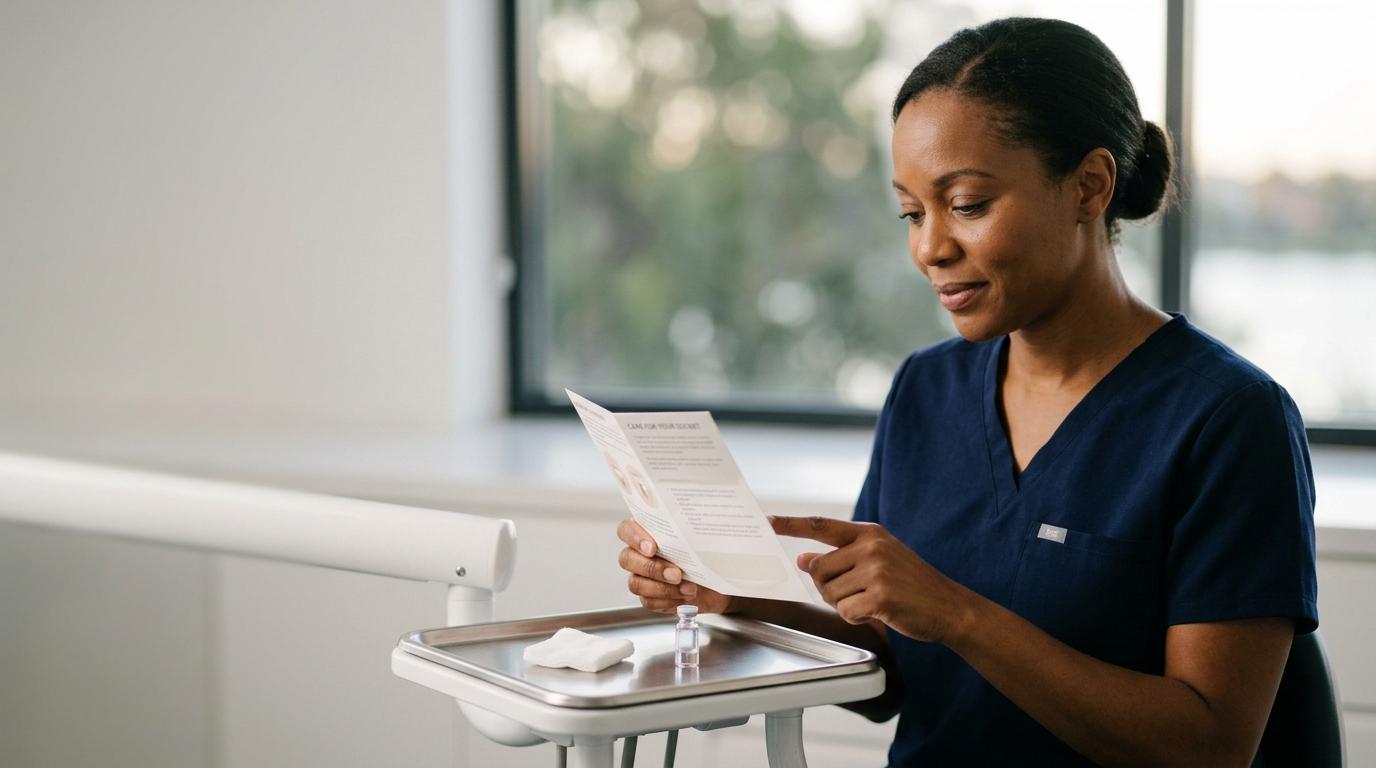
IV sedation – you must have an escort who will bring you to your appointment, stay nearby while you are having your treatment, and then take you home by car afterwards, and fasting beforehand is required because it keeps your airway safe while you're sedated, with exact instructions given in writing beforehand. Most people feel back to normal by the evening, but shouldn't drive, sign documents or make big decisions for the rest of that day.
General anaesthetic – requires fasting, a responsible adult to collect you, and typically a longer, more supervised recovery period before you're discharged, given the depth of sedation involved.
Across every option beyond happy gas, arranging your escort before the day is not optional procedures are routinely postponed if one isn't organised.
How do I choose the right option?
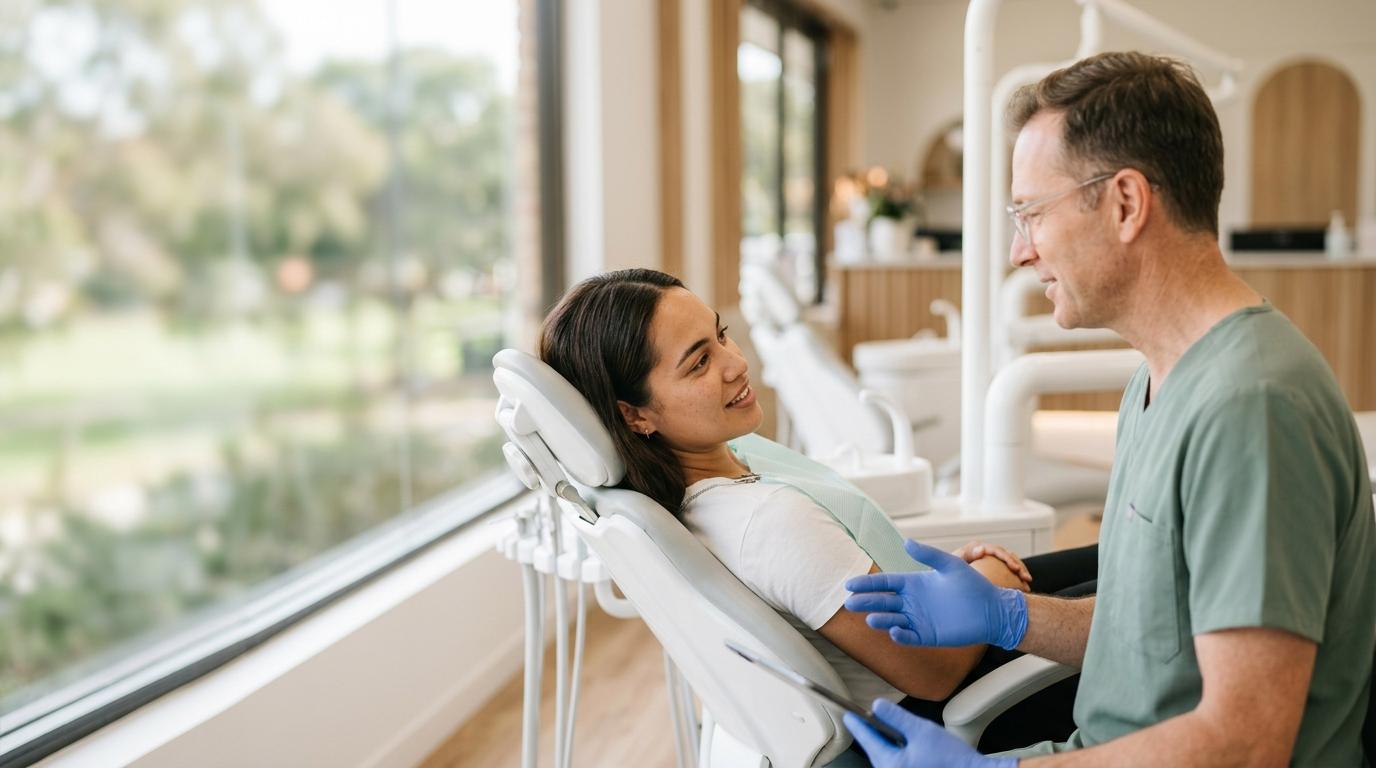
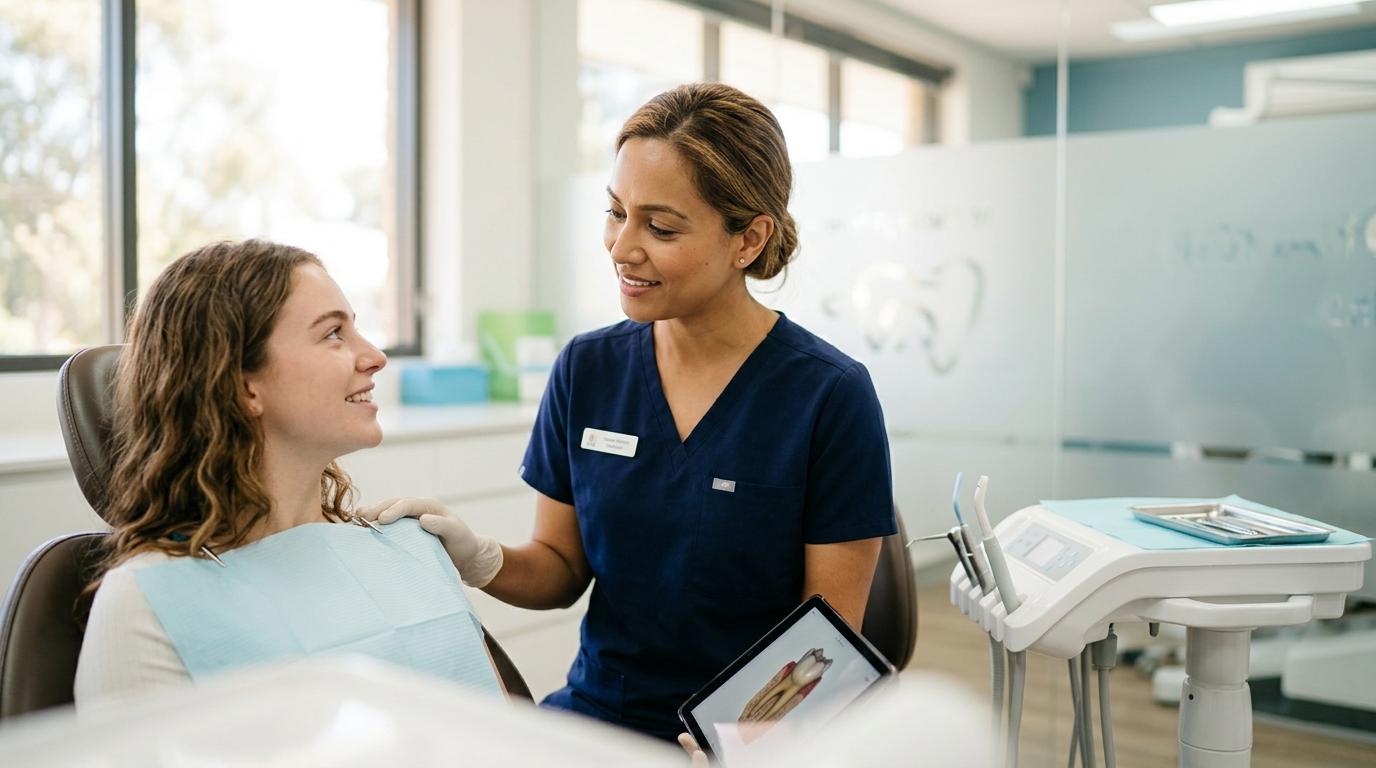
There's no single "best" choice it depends on your anxiety level, the treatment planned, your medical history and your own preference for how much you want to remember. A sensible starting point is a conversation with your dentist about what the procedure involves, roughly how long it will take, and how anxious you feel about it. Sedation is also frequently discussed alongside surgical procedures like wisdom teeth removal our guides to wisdom teeth removal costs in Perth and when impacted wisdom teeth need to come out go into more detail on how sedation choices fit into that specific treatment, and our wisdom teeth removal treatment page has an overview of the procedure itself.
If anxiety rather than the procedure itself is your main barrier, it's worth reading our dedicated piece on overcoming dental anxiety for practical, non-sedation ways to feel calmer in the chair sedation is one tool, not the only one. You can also see our general sleep dentistry overview for a plain-English summary of these options.
Whatever you choose, ask the practice directly which sedation types they offer, who administers them, and what's included in the quoted fee before you commit. Never assume a clinic offers a particular sedation type just because it's commonly discussed online confirm it at your consultation.
Where can I find anxiety-aware dental care in Perth's northern suburbs?
If dental anxiety is the main thing holding you back from treatment including wisdom teeth removal, extractions, or getting a custom mouthguard or splint sorted Two Rocks Dental Care is worth a look. The practice focuses on an anxiety-free approach to care, alongside wisdom teeth removal, tooth extractions, and custom mouthguards and splints. If you're nervous about an upcoming appointment and want to talk through how the practice supports anxious patients before you commit to anything, that conversation is best had directly with the clinic at your consultation. You can find their details via our Two Rocks clinic listing, or book an appointment to ask about your options.
FAQ
Will I be awake during IV sedation? Yes. IV sedation is a misconception if you expect to be fully asleep — you feel sleepy and relaxed but you're not fully unconscious, and you can typically respond to simple instructions throughout.
Can I drive myself home after sedation? Only after happy gas. Oral sedation, IV sedation and general anaesthetic all require no driving or taking public transport alone for a set period afterwards, and a responsible adult escort to take you home.
Is sedation dentistry covered by Medicare or private health insurance? Sometimes partially. Conscious sedation is sometimes partially covered under general dental as an "anaesthetic" item, with typical fund contributions of $20 to $80, while sedation itself is rarely covered specifically, though the dental treatment performed under sedation is usually covered as normal. Check your specific policy and ask the practice what's claimable before your appointment.
Do I need to fast before sedation? For IV sedation and general anaesthetic, yes fasting is required beforehand because it keeps your airway safe while you're sedated, and you'll be given exact written instructions. Happy gas and oral sedation generally don't require fasting, but confirm with your dentist.
Is general anaesthetic ever used just for anxiety? Rarely. It's usually reserved for cases where unconsciousness is genuinely required clinically, not simply because a patient feels nervous your dentist and anaesthetist will assess whether it's appropriate for your specific situation.
How do I know which sedation level is right for me? There's no universal answer it depends on your anxiety level, the procedure, and your medical history. Discuss it openly at your consultation, ask what the practice actually offers, and get everything including cost in writing before you proceed.
This article is general information, not clinical or financial advice. Sedation suitability depends on your individual health and the procedure planned always confirm options, risks and pricing with a registered dentist or anaesthetist at your consultation.